

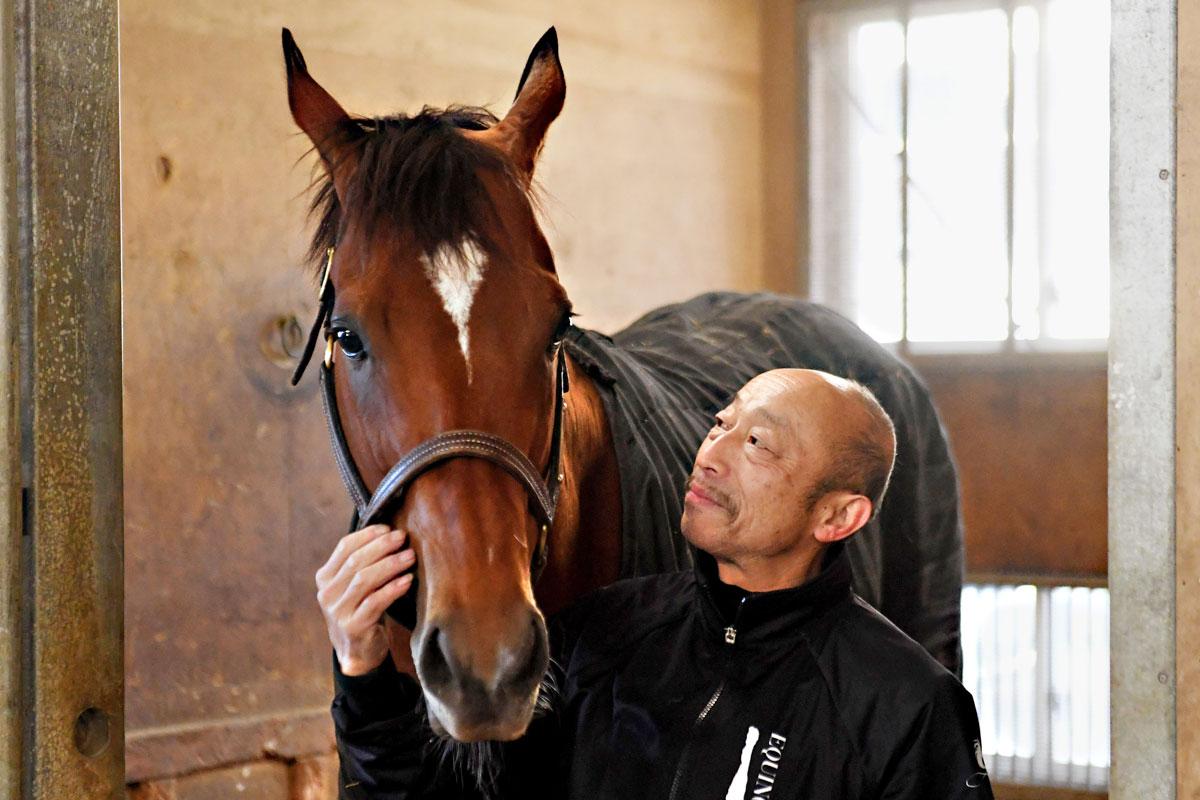
There are horses that seem almost impossible to forget.
Not always because they win the most races.
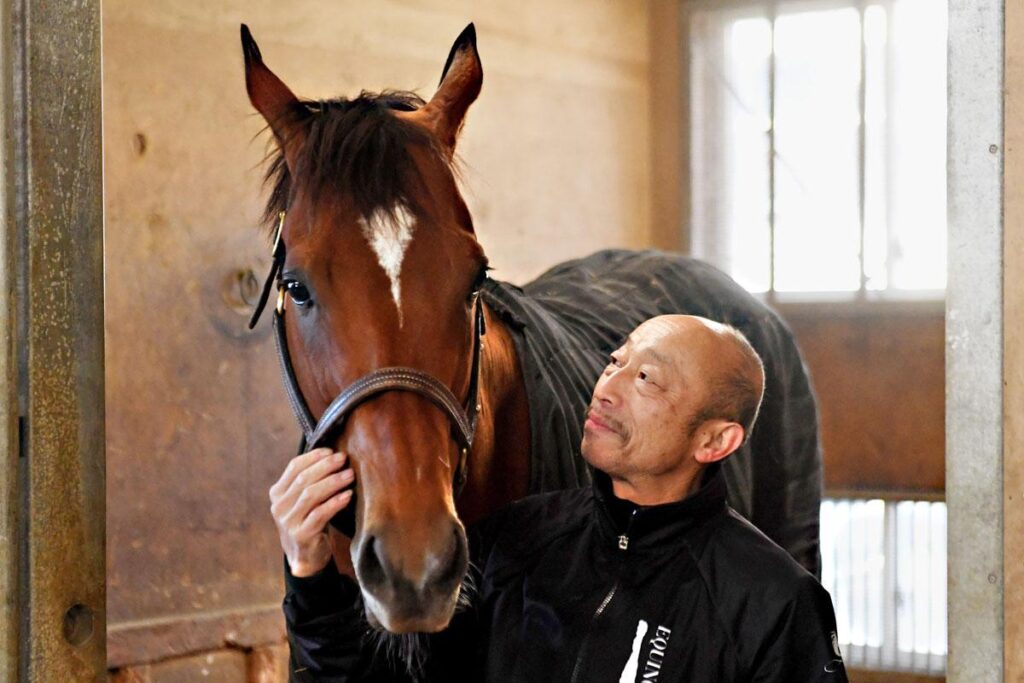
Sometimes it is because of something smaller.
A horse refuses to follow the routine one morning. Another becomes unusually calm before a major event. One seems to know exactly when attention is focused on it. Another develops a reputation in the stable for doing something that makes everyone laugh.
These stories rarely appear in a standard result.
Yet they can become central to the way people remember an animal.
Every racing horse has a story beyond its record
A performance history is numerical.
A horse’s personality is not.
The official record may show wins, places, starts and distances. It cannot capture the details that stable staff encounter every day.
This is where anecdotes become particularly valuable.
A small observation about a horse can reveal a side of its character that readers would never discover through statistics.
That helps explain why horse racing can create unusually personal relationships between fans and competitors.
Horses become familiar through repetition
A fan who follows one horse over several races begins to notice patterns.
The horse’s appearance becomes familiar.
Its racing style becomes familiar.
Its connections become familiar.
Eventually, even small details become recognizable.
That familiarity creates attachment.
The horse is no longer just a name on a racecard.
It has become a character in an ongoing story.
Stable anecdotes humanize the animal
Consider a story about a horse that is calm around people but becomes highly energetic immediately before exercise.
It is a small observation.
But when told properly, it gives readers a sense of individuality.
The audience starts imagining the horse as a living character rather than an entry in a database.
This is one of the great strengths of feature writing.
It brings ordinary details into the public story.
Personality can become part of reputation
Over time, anecdotes can become part of a horse’s public identity.
Fans may remember particular habits.
Journalists may refer to earlier stories.
Broadcasters may repeat familiar descriptions.
The horse develops a personality in the public imagination.
This can be positive, humorous, affectionate or simply intriguing.
The result is a deeper emotional connection between sport and audience.
The media’s responsibility
There is also an important journalistic consideration here.
Anecdotes should not be exaggerated simply because exaggeration makes a better story.
There is a difference between recording a real observation and turning it into a dramatic myth.
Good feature writing preserves the charm of the story without inventing details.
That distinction matters because racing journalism depends heavily on trust.
Why fans remember character
Sports fans often form attachments to players because of personality as much as performance.
A favorite athlete may be remembered for a celebration, a habit or an interview.
Horse racing is similar.
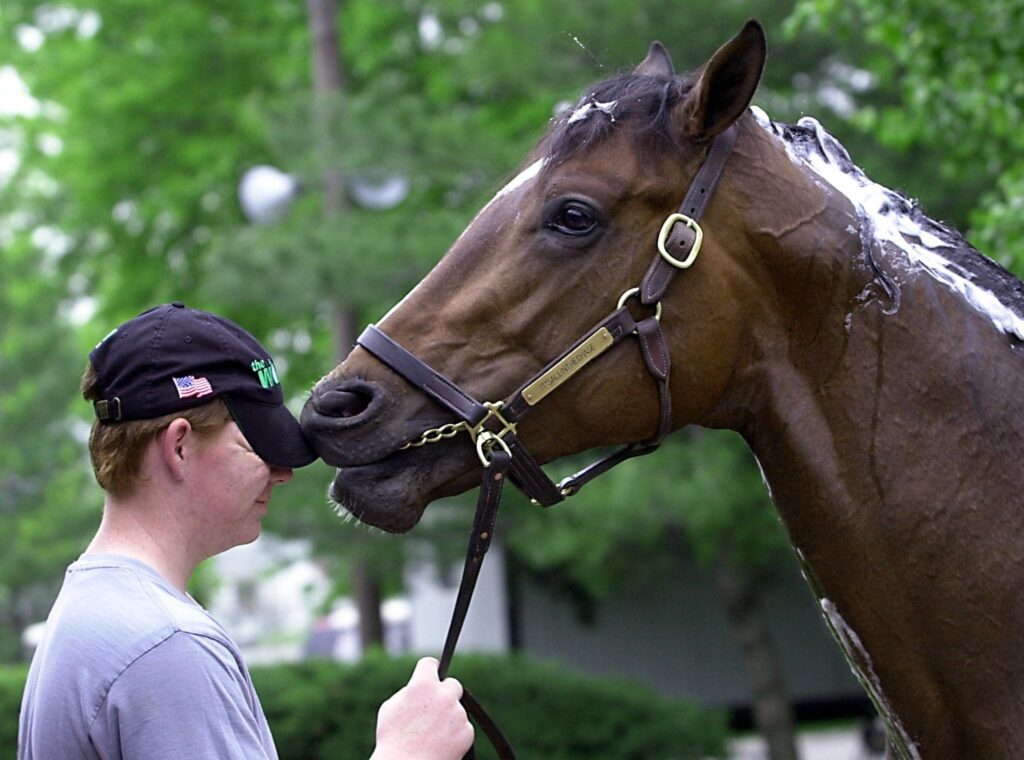
The competitor may be an animal rather than a human athlete, but the audience can still associate it with recognizable characteristics.
That makes anecdotal storytelling especially effective.
The stable as a source of stories
Many of the best racing anecdotes come from places the public rarely sees.
The stable is full of routine.
Because routine is repeated, unusual moments become memorable.
A horse behaving unexpectedly, a funny interaction or a surprising reaction can become a story precisely because it interrupts the ordinary.
This gives writers an enormous source of material.
Anecdotes also teach readers about racing
A story about personality does not have to be purely entertaining.
It can explain something.
A horse’s reaction to a new environment may illustrate the importance of stable routine.
An anecdote about travel may reveal what is involved in moving horses between venues.
A story about preparation can introduce readers to the responsibilities of stable staff.
The anecdote becomes an educational doorway without becoming a textbook.
The difference between knowing a horse and knowing its name
Casual audiences know names.
Dedicated fans know stories.
That distinction is important.
The name of a horse might create temporary recognition.
A collection of stories creates familiarity.
Once a fan understands the horse’s journey, the next race becomes more meaningful.
The audience wants to know what happens to a competitor whose story they already understand.
A personality can outlive a career
Some racing horses remain memorable long after retirement.
Their competition record certainly contributes to that memory.
But the anecdotes can matter just as much.

The small stories—the behavior, the habits, the people who looked after them—can make a famous horse feel more real to later generations.
That is why anecdotal material belongs in racing history.
The official record tells us what a horse achieved.
The stories help us remember what the horse was like.