

Twenty years after a famous Melbourne Cup race, someone is sitting with a friend and telling a story.
They are no longer talking about statistics first.
They are talking about where they stood.
They remember the weather.
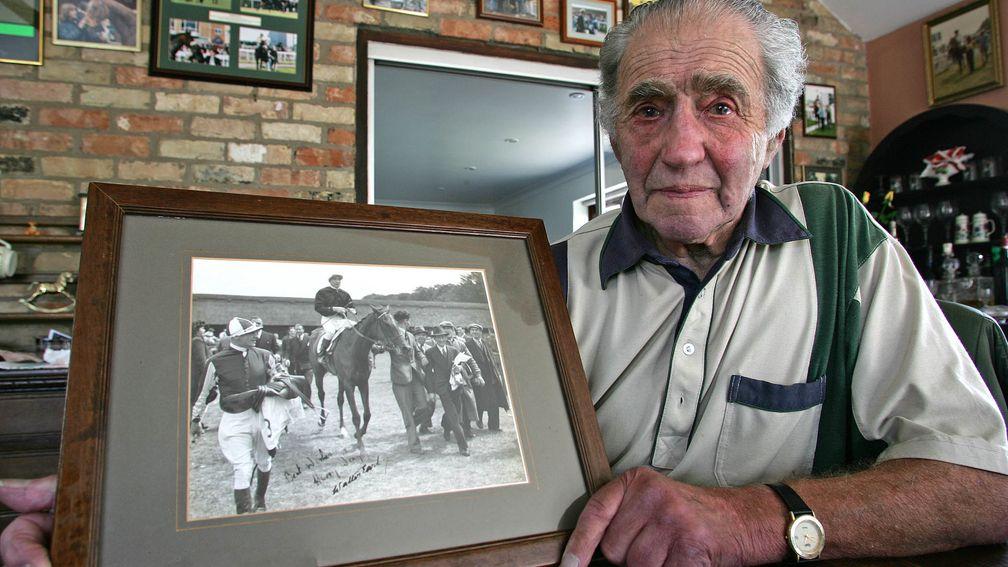
They remember who shouted.
They remember the noise from the crowd.
They remember the feeling when the horses crossed the line.
Some details may be imperfect.
But the story survives.
That is how anecdotes become part of sporting history.
History is more than a results archive
Official records are essential.
They provide accuracy.
They establish winners, dates, places and performances.
But records alone cannot capture the complete experience of sport.
They do not describe the smell of the racecourse after rain.
They do not record the conversation between two friends before the start.
They do not explain how a crowd reacted.
They do not capture the emotion of someone watching their first major race.
Anecdotes fill in those gaps.
Personal memory becomes cultural memory
A private story can become part of a larger public narrative.
Someone tells it to their family.
A journalist hears it.
A podcast discusses it.
A book quotes it.
Eventually, the story becomes familiar to people who were not there.
That is how cultural memory works.
It is passed from person to person.
Horse racing, with its long traditions and strong communities, is particularly rich in this kind of storytelling.
Why certain anecdotes survive
Not every story becomes memorable.
The stories that survive usually contain something distinctive.
An unexpected moment.
A powerful emotion.
A famous personality.
A dramatic finish.
A strange coincidence.
A remarkable journey.
These qualities make an anecdote easy to retell.
The story develops a life of its own.
Journalists can turn memory into a feature
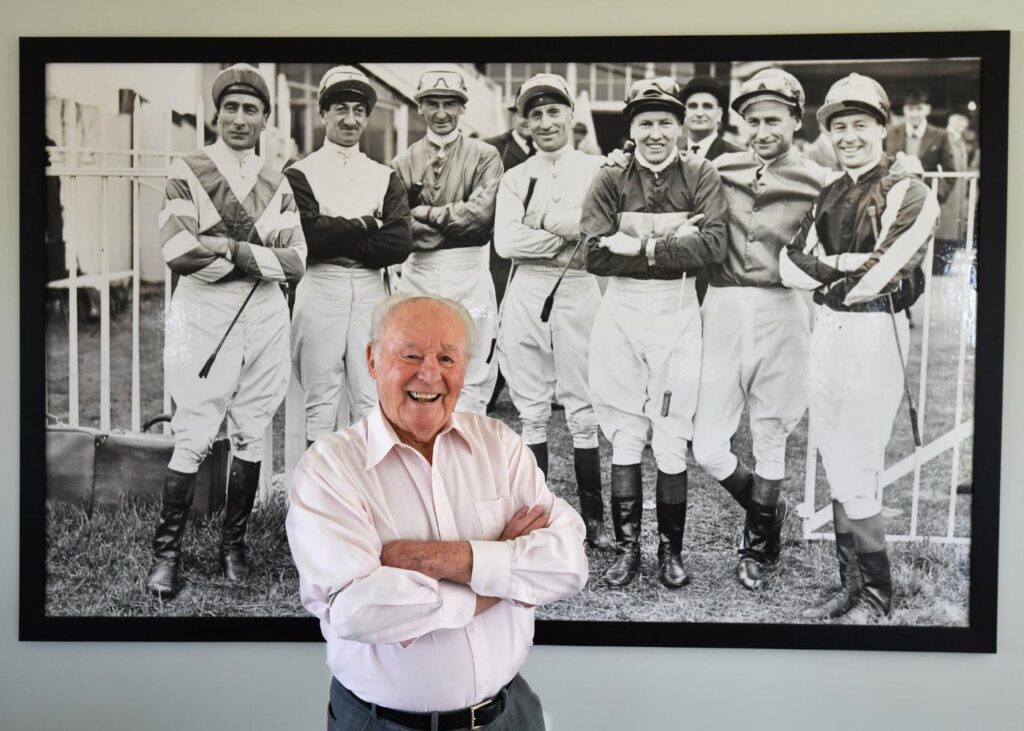
A racing journalist might encounter an old story while interviewing a retired jockey or long-time fan.
Instead of treating it as a minor detail, the reporter can explore it.
What happened?
Who was involved?
What was the wider context?
Can the details be confirmed through records or photographs?
What does the story tell us about racing at that time?
The anecdote becomes the starting point for historical journalism.
Memory and accuracy
There is an important difference between memory and documentation.
People remember events imperfectly.
Dates can become confused.
Small details can change over time.
That does not mean memories are useless.
It means they should be treated as personal recollections rather than unquestionable records.
Good historical journalism can combine anecdotal memories with newspapers, photographs, official results and other evidence.
The result is much stronger than either source alone.
Old newspaper stories become valuable again
A fascinating thing happens when personal memory meets newspaper archives.
Someone may remember a major race from decades earlier.
A journalist can then look through old publications to see how the event was reported at the time.
The comparison can reveal differences between memory and contemporary reporting.
It can also restore details that would otherwise be forgotten.
This is where anecdotal racing journalism becomes historical research.
The human archive
A newspaper archive preserves written information.
A racing community preserves oral history.
The two overlap.
A fan remembers a moment.
A jockey tells a story.
A trainer recalls a preparation.
A photographer remembers waiting for a particular image.
A journalist explains what happened behind the scenes.
Together, these recollections form a human archive of the sport.
Why stories matter to new generations
A younger racing fan may have no personal connection to a race that happened thirty years earlier.
Statistics can tell them who won.
Old photographs can show them what the event looked like.
But an anecdote can make the event feel closer.
A story from someone who was there can provide emotional access.
It creates the sense that history was once someone’s present.
Anecdotes give racing a human voice
Horse racing has an enormous statistical record.
But it also has a human voice.
That voice exists in the stories told by people who worked in the industry, attended the races or followed the sport for decades.
Those stories can preserve details that formal records overlook.
They remind audiences that sport is experienced by people, not databases.
The best stories become traditions
Eventually, a memorable anecdote can become part of the folklore surrounding a race.
Fans repeat it.
Journalists revisit it.
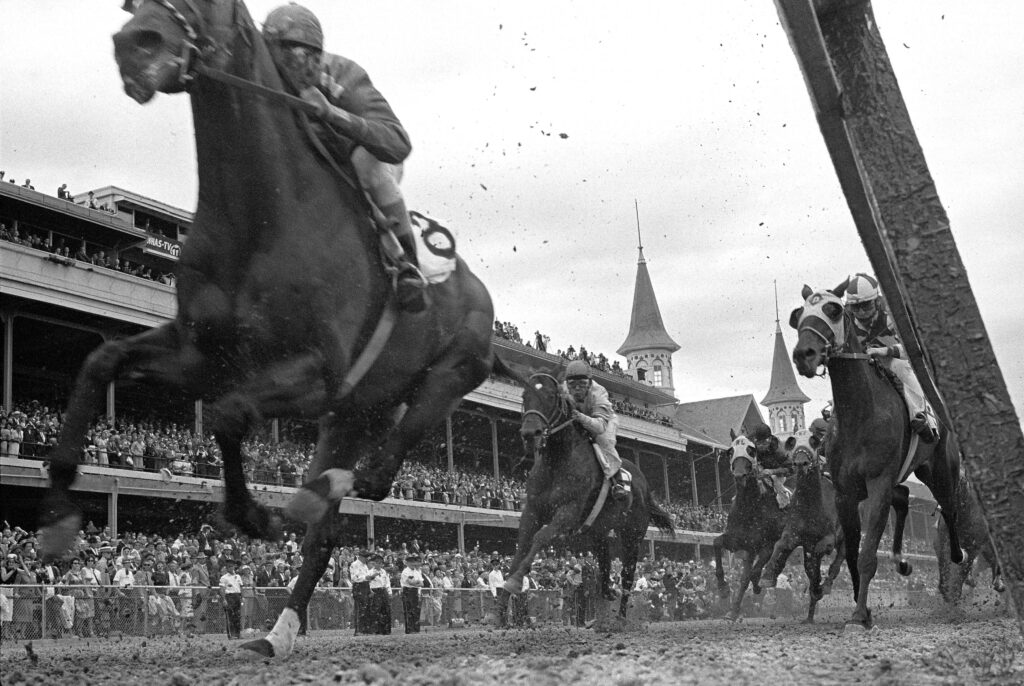
Broadcasters mention it.
New generations learn it.
The story becomes associated with the event itself.
That is a powerful form of cultural preservation.
Twenty years later, the story is still alive
This is perhaps the greatest strength of anecdotes in horse-racing journalism.
A race lasts a few minutes.
A result can be checked in seconds.
A photograph captures one instant.
But a story can travel.
Someone tells it to someone else.
That person remembers it.
Years later, another generation hears it.
And suddenly a moment that existed for only a few seconds has become part of the history of a sport.
That is why anecdotes matter.
They do not replace the facts of horse racing.
They give those facts a human memory.