

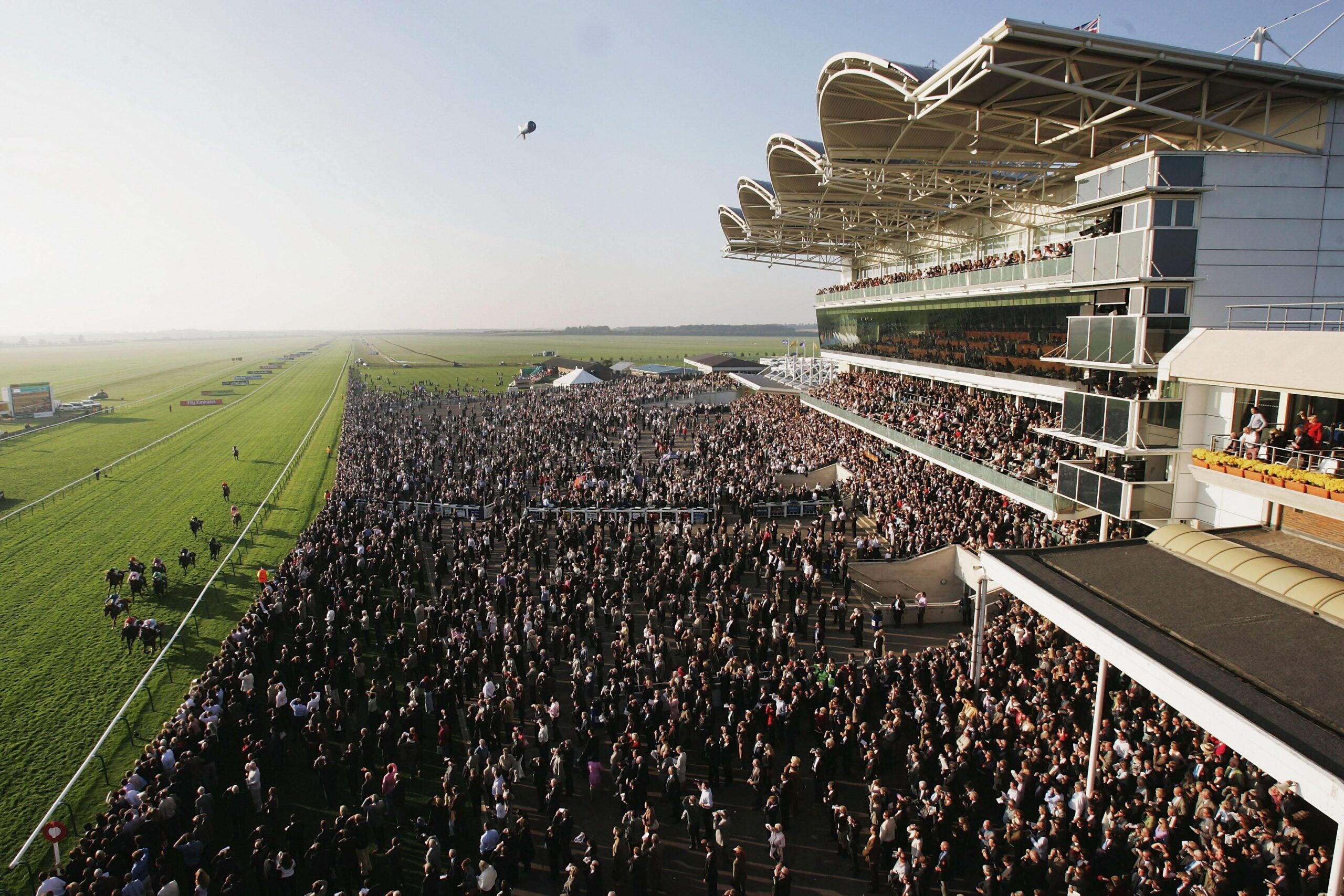
For a moment, nobody says anything.
Thousands of people are watching the final stretch.
The horses are closing in on the line.
The noise that existed only seconds earlier seems to disappear, replaced by concentration.
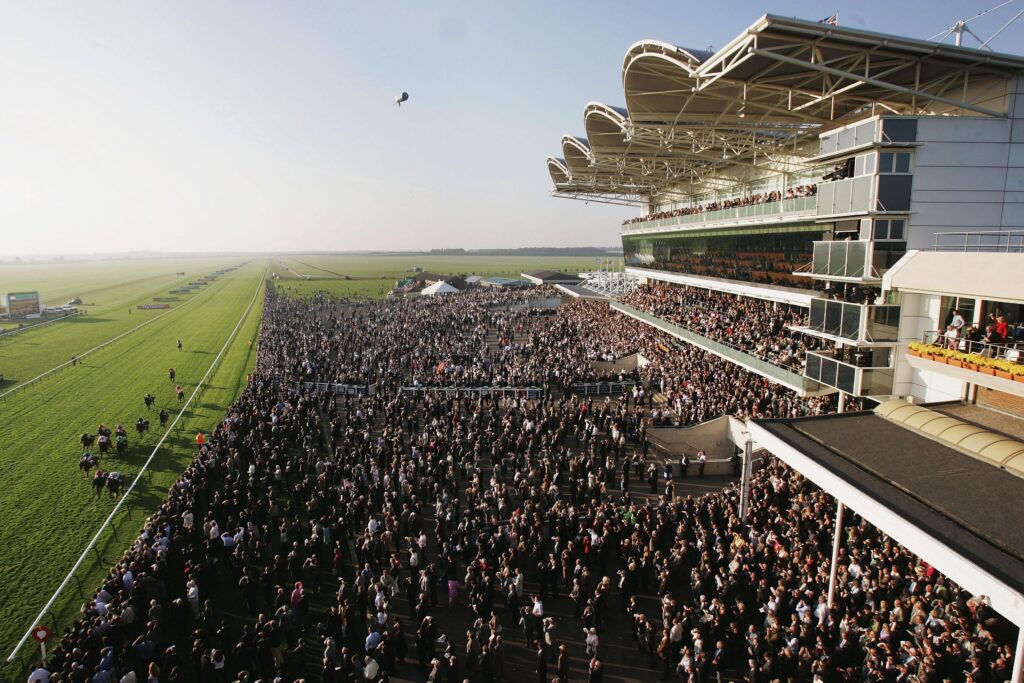
Then the result becomes clear.
The crowd explodes.
Years later, someone may not remember the exact finishing margin.
They remember that silence.
That is one of the secrets of sports memory: sometimes the atmosphere surrounding an event becomes more memorable than the official result.
The emotional architecture of a race day
A racecourse is designed around anticipation.
Even before the horses compete, the audience is waiting.
There is movement around the venue, conversation between spectators and a growing sense that something is approaching.
As the field appears, attention becomes more focused.
Then the race begins.
The atmosphere changes almost immediately.
The audience is responding not only to what they see, but to everyone around them reacting at the same time.
This collective emotion is one of the defining characteristics of live sport.
Why crowds create memory
Watching a contest alone is fundamentally different from watching one with thousands of other people.
A crowd amplifies sound, emotion and reaction.
A dramatic finish becomes communal.
People turn to strangers.
Friends shout to one another.
Everyone experiences the same brief moment together.
That shared experience helps explain why race days can become personal memories even for people who do not regularly follow racing.
The racecourse as theatre
There is an interesting theatrical quality to major racing events.
There is a sense of arrival.
There are participants preparing.
There are announcements.
There is movement toward the central event.
Then comes the performance itself.
Afterward, there is reaction and discussion.
The racecourse therefore operates not only as a sports venue but as a social stage.
The competition is real, but the surrounding atmosphere contributes heavily to the experience.
What people remember
Ask someone about a memorable race and they may immediately describe the finish.
But keep asking and the story often expands.
They may remember where they were standing.
They may remember who was with them.
They may remember the weather.
They may remember an unusual sound from the crowd.
They may remember how quickly everything changed once the race began.
These details are anecdotal, but they are culturally significant.
They explain what the event meant to the people who experienced it.
Spectators create their own racing history
Official racing history is usually built around results.
Fan history works differently.
It is built from personal memories.
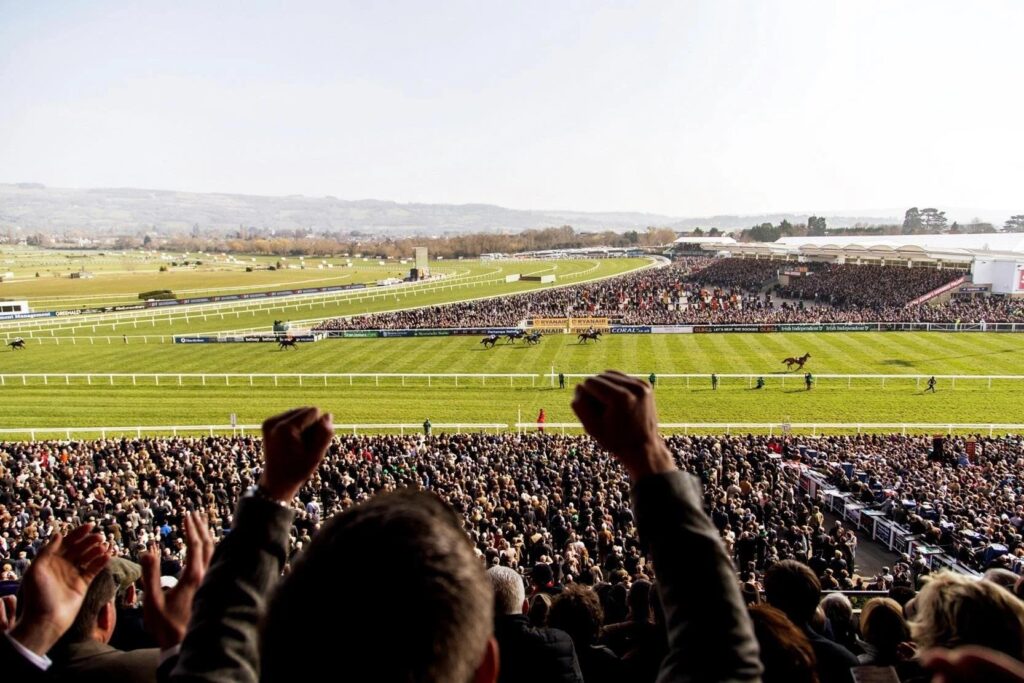
One person remembers a particular racecourse.
Another remembers a horse.
Another remembers attending a major event with family.
Another remembers the first race they ever saw.
These individual stories overlap to create a collective sporting memory.
Why journalists should pay attention to atmosphere
A race report that records only the official result can be accurate and still feel flat.
Atmosphere gives the reader a sense of presence.
Describing the crowd, the tension and the reaction after the finish helps recreate the event for people who were not there.
This is especially valuable in feature writing.
The journalist becomes a witness.
The reader becomes a participant through description.
The social side of the racecourse
Race days often attract people for reasons beyond the competition.
There may be hospitality, fashion, food, photography and social gatherings.
For casual spectators, these elements can be as memorable as the race itself.
This broader experience can also introduce newcomers to the sport.
Someone may arrive because friends invited them.
They may leave with a new interest in racing.
A social occasion has become a sporting gateway.
The atmosphere changes with the importance of the race
Not every contest produces the same reaction.
Major events tend to carry greater expectation.
The crowd may be larger.
The media presence may be greater.
The historical significance may be clearer.
Yet atmosphere can also appear at much smaller meetings.
Local events can have their own communities and traditions.
The emotional intensity of a race does not always depend on national attention.
Why anecdotes preserve atmosphere
A sentence describing the crowd can do something a result cannot.
“The winner crossed the line first” is information.
“The entire grandstand seemed to inhale at once before the result was announced” is experience.
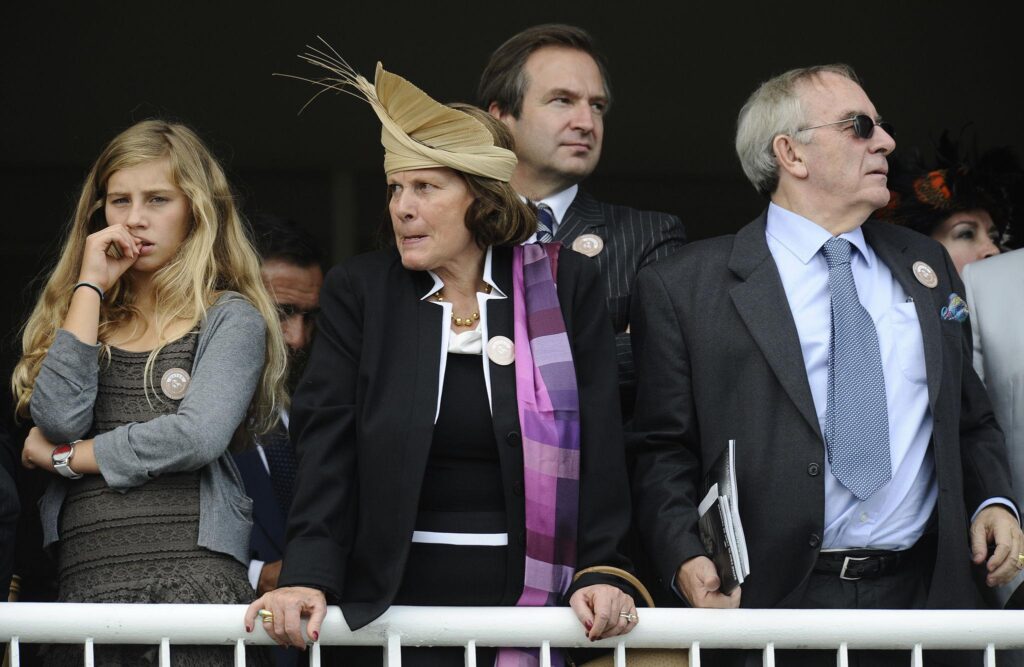
That distinction explains why anecdotes are so useful in racing journalism.
They preserve the human feeling around the sporting fact.
The moment after the moment
A race ends when the official result is determined.
Memory does not.
The crowd continues talking.
Fans replay the finish.
Journalists begin writing.
Photographers send their images.
Commentators discuss what happened.
People who attended tell friends about it.
The event continues through conversation.
That may be why atmosphere is so important.
It does not disappear when the horses leave the track.
It becomes part of the story people carry with them.