

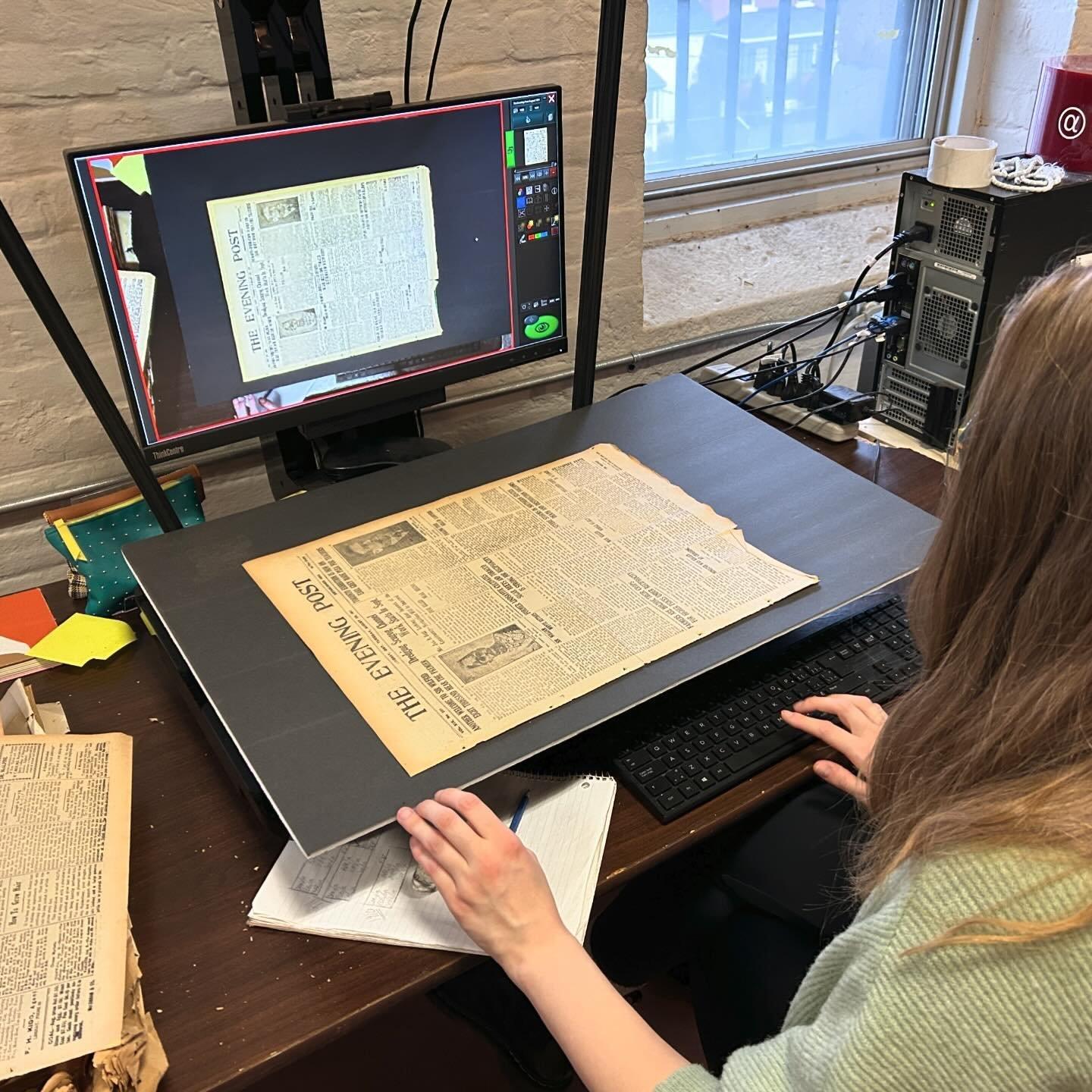
There is a particular kind of discovery that can change the way someone sees horse racing.
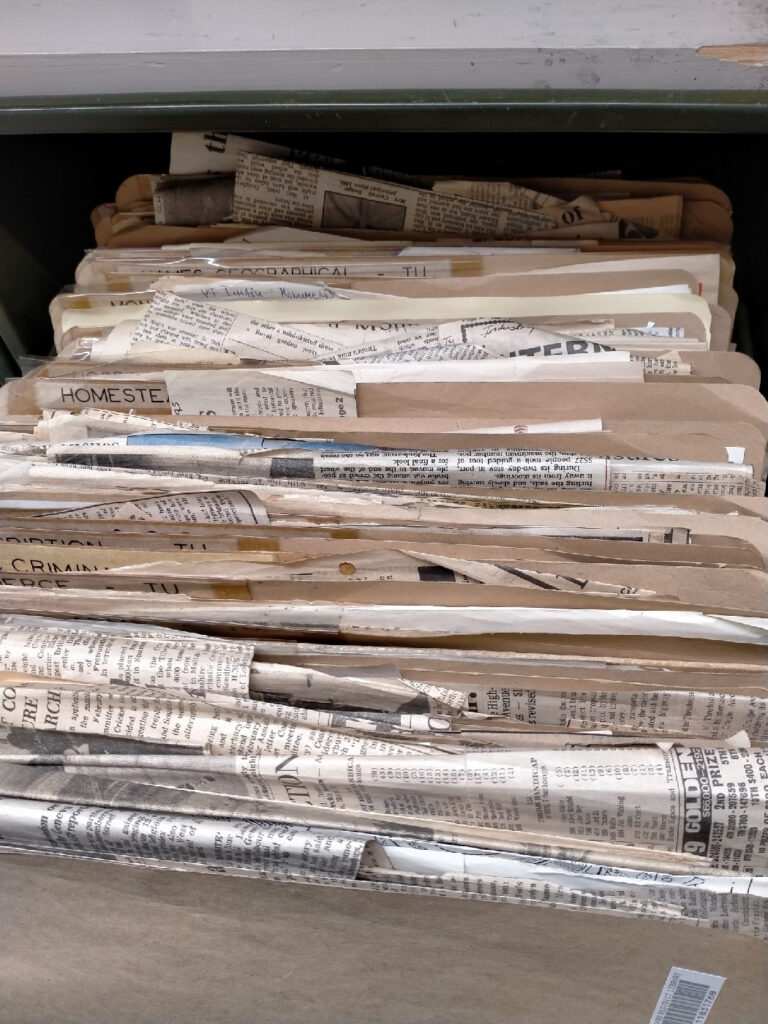
Imagine opening an old wooden drawer while cleaning a family home and finding a folded newspaper clipping.
The paper is yellow at the edges. The print is beginning to fade. A photograph shows a horse crossing the finish line while a jockey leans forward in celebration. Beneath it is a headline from decades earlier.
The race means very little at first.
The names are unfamiliar.
Then someone in the room recognizes one of them.
Suddenly, the newspaper is no longer an old piece of paper. It is a doorway into a story that had almost disappeared.
That small discovery illustrates one of the most fascinating relationships between anecdotes, journalism and horse racing: racing stories can sleep for years before becoming meaningful again.
A newspaper was once tomorrow’s history
When a journalist wrote a race report decades ago, the article was intended for immediate readers.
Perhaps it appeared the following morning.
People bought the newspaper, read the result and moved on with their lives.
Nobody knew which stories would still matter fifty years later.
That is one of the strange characteristics of journalism.
A publication created for one day can become historical evidence for another generation.
A short racing report that appeared ordinary at the time can eventually become the only surviving account of a particular event from the perspective of people who experienced it.
The forgotten clipping contains more than the result
The most interesting thing about an old newspaper story is often everything surrounding the race itself.
The article may mention the weather.
It may describe the size of the crowd.
It may quote the winning jockey.
It may identify the trainer.
It may describe the atmosphere in the grandstand.
It may even contain advertisements, typography and photographs that reveal what the racing world looked like at the time.
The clipping is therefore more than a record of who won.
It is a snapshot of an era.
An anecdote can open an archive
Suppose the person who discovers the clipping starts asking questions.
Why was this race important?
Who was the horse?
What happened to the jockey afterward?
Was the race part of a major carnival?
Did the newspaper predict anything that later became significant?
Those questions turn the anecdote into research.
The family discovery becomes a historical investigation.
This is where anecdotal journalism becomes especially powerful.
The writer is not simply repeating an old story.
The writer is following a small clue into the larger history of racing.
The people inside old racing stories
Historical newspapers also preserve the voices of people who may otherwise be forgotten.
A jockey might have spoken briefly about a victory.
A trainer might have discussed an unusual preparation.

An owner might have described the significance of the race.
At the time, these comments were part of routine sports reporting.
Years later, they can become valuable historical material.
They allow modern readers to encounter the language and perspectives of an earlier generation.
The photograph can change everything
Imagine that the clipping contains a photograph.
Perhaps the image shows the winner surrounded by several people.
At first, the photograph seems simple.
Then someone recognizes the racecourse.
Or the trainer.
Or a family member standing in the background.
Suddenly the image becomes personal.
This is one reason racing photography has such archival value.
It can connect public history with private memory.
A newspaper photograph belongs to the historical record, but a family may discover their own story inside it.
Racing history is often preserved accidentally
Archives are not always created intentionally.
A newspaper may be saved because someone wanted to remember the result.
A photograph may survive because it was printed in a family album.
A program may remain in an old box.
A ticket may stay inside a book for decades.
Individually, these objects seem insignificant.
Together, they can reconstruct an era of racing.
The anecdote of someone discovering a clipping therefore points toward a much broader idea: sporting history often survives in ordinary places.
Why old racing stories still matter
A modern fan may look at an old result and initially see nothing particularly relevant.
But historical context changes that.
Perhaps the winning jockey later became one of the sport’s most respected figures.
Perhaps the horse went on to achieve greater success.
Perhaps the racecourse has since changed dramatically.
Perhaps the article captures a moment just before an important transformation in racing.
The value of history often becomes visible only after enough time has passed.
Journalism gives memory structure
Personal memories can be vivid but incomplete.
Someone might remember that “the crowd went crazy” or that “everyone thought the horse would win.”
Newspaper reporting can provide dates, names and documented details.
This makes journalism a useful partner to memory.
The anecdote supplies emotion.
The archive supplies evidence.
Together they can create a richer account.
A forgotten article can become a new story
There is also something wonderfully circular about this process.
A journalist once wrote a story about a race.
Decades later, another journalist discovers that story and writes about it again.
The original article becomes the subject of a new article.
The race has effectively created two generations of journalism.
This is especially valuable for racing publications because the sport has such a deep historical record.
The drawer becomes part of the racecourse
That old clipping may have travelled far from the track.
It may have spent decades in a drawer, cupboard or family album.
Yet its origin remains the same.
A few minutes of racing produced a story.
The story entered a newspaper.
The newspaper entered a home.
The home eventually became an archive.
The archive later became a discovery.
And the discovery became a new story.
Why anecdotes belong in racing history
Formal records can tell us who won.
Anecdotes tell us how the event continued to live in people’s lives.
The newspaper clipping in the drawer is therefore more than nostalgia.
It is evidence that horse racing exists on several timescales at once.
There is the race itself.
There is the day’s journalism.
There is the memory of the people who attended.
And there is the historical interpretation that comes years later.
Sometimes a forgotten piece of paper is enough to reconnect all four.
A race may last minutes.
A newspaper story may last a day.
But the memory of that story can wait quietly in a drawer for decades before someone opens it again.