

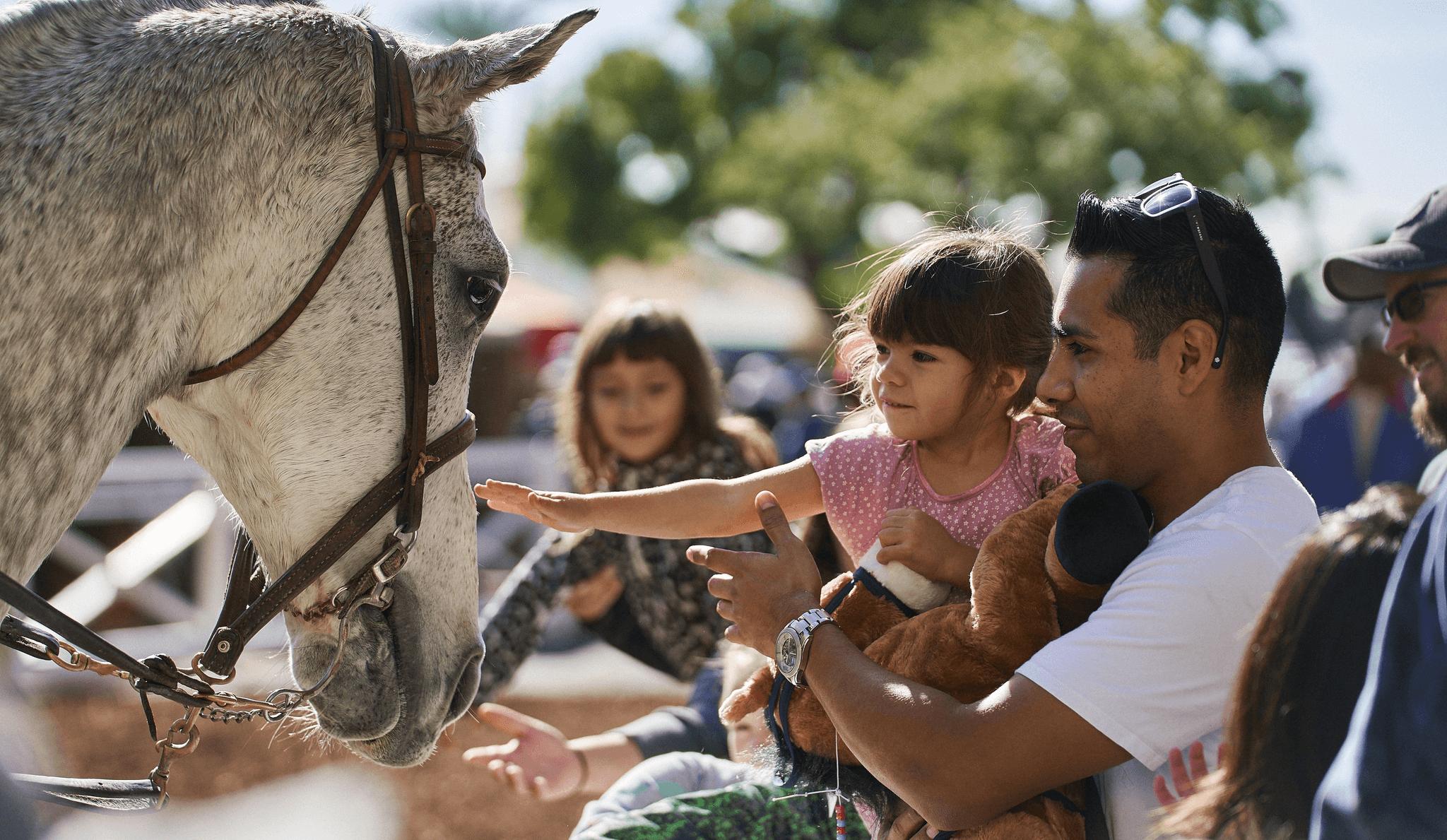
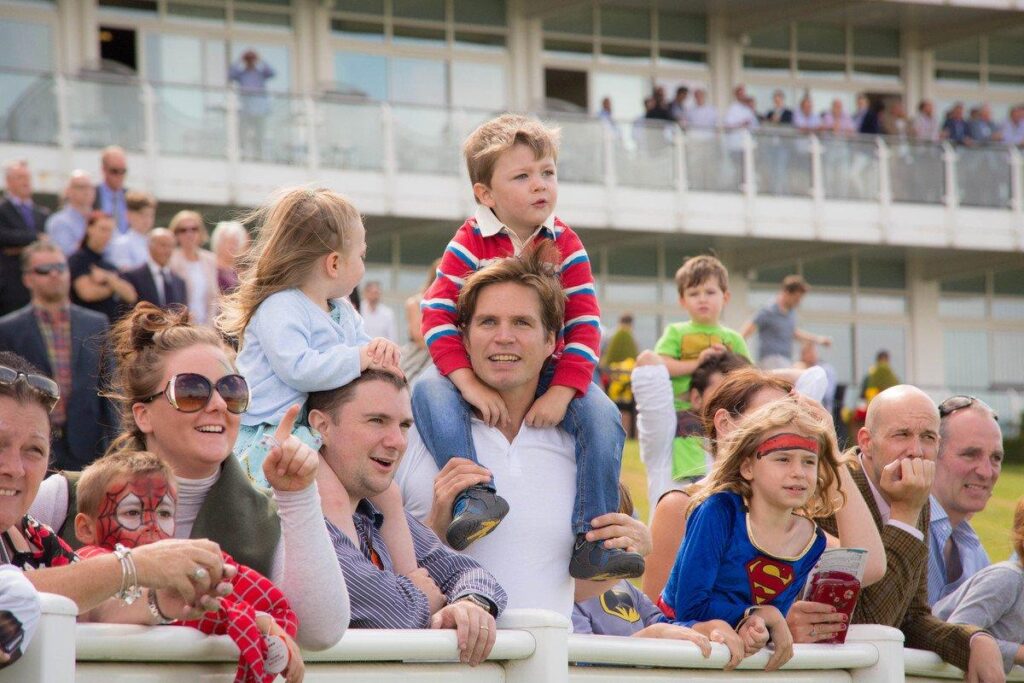
A child stands beside a grandstand railing, looking at a racecourse that seems enormous.
The crowd is louder than expected. Someone nearby is explaining what is about to happen. Horses move into position. The atmosphere changes almost immediately.
Then the gates open.
The child may not understand every part of the race. They may not know the form, the trainers or the history of the event.
But they remember the sound.
They remember the movement.
They remember the crowd reacting together.
Years later, they may forget the finishing order.
They probably won’t forget that first race.
That is how sporting memories are often created.
Fandom can begin with a single moment
People sometimes assume that serious sports fans become interested because they study the sport first.
Often the process is the opposite.
Emotion comes before knowledge.
A person experiences something memorable, becomes curious about it and only later starts learning the details.
Horse racing is particularly suited to this kind of introduction because it combines speed, atmosphere, personalities and spectacle.
A newcomer does not need to understand everything to feel the excitement of a race.
Understanding can come later.
The power of being there
Watching racing on television can be exciting, but attending a racecourse creates a different memory.
The surroundings are physical.
There is the size of the venue, the noise of people around you and the feeling that something important is about to happen.
The horses are no longer distant images on a screen.
They are physically present.
Even small details can become part of memory.
The sound of hooves.
The movement of the crowd.
The announcements before a race.
The brief silence before the gates open.
The celebration afterward.
These sensory experiences help explain why sporting memories can remain vivid for decades.
A first experience does not need to be perfect
Interestingly, a person’s first racing experience does not need to be technically impressive.
They do not need to understand every term.
They do not need to recognize every horse.
They may not even remember who won.
What matters is that something creates curiosity.
Perhaps a particular horse catches their attention.
Perhaps a jockey’s name becomes familiar.
Perhaps a dramatic finish leaves them asking what happened.
That question becomes the beginning of learning.
Memory turns into curiosity
This is where anecdote becomes powerful.
Suppose someone remembers watching a race with a parent many years ago.
That memory may eventually lead them to ask:
What race was it?
Who won?
What happened to the horse afterward?
Why was the event so important?
Those questions pull a casual spectator deeper into racing history.
A personal memory becomes a research project.
That is a remarkable characteristic of sports fandom.
Family traditions are particularly important
Horse racing, like many established sports, can be transmitted between generations.
A parent takes a child.
A grandparent tells a story.
A family attends the same race meeting every year.
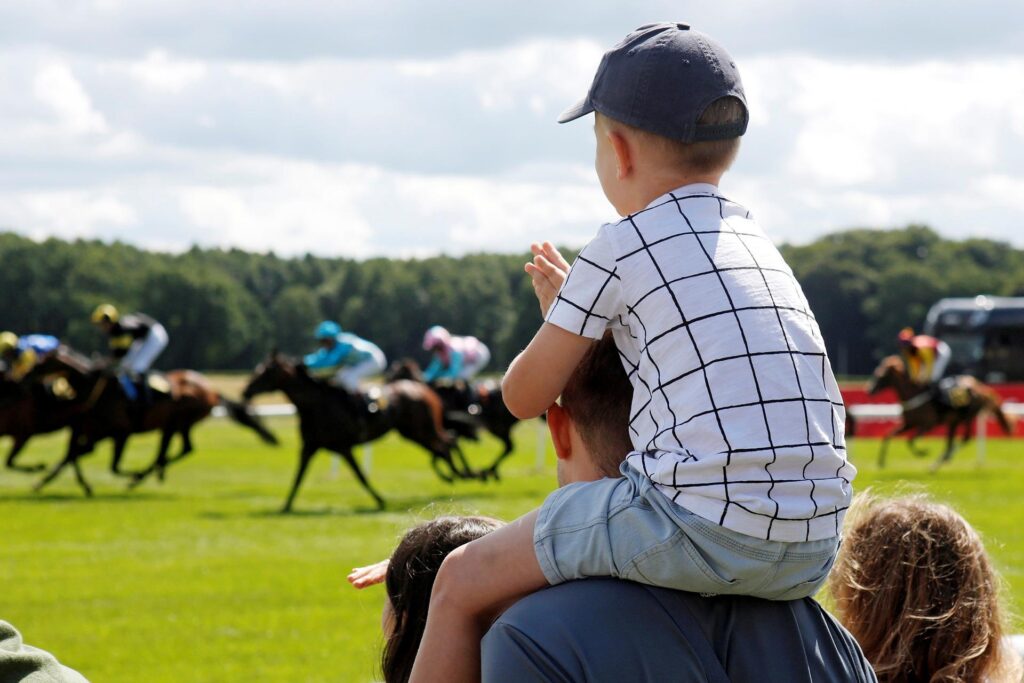
The event becomes part of the family’s calendar.
The child grows older but continues returning.
Eventually, the person who was introduced to racing becomes the person introducing someone else.
That is how sports cultures survive.
They are not preserved only through institutions.
They are preserved through memory.
The fan may remember a moment rather than a result
Sports statistics are precise.
Memories are not.
A person may remember that a horse seemed to surge from nowhere, that the crowd became incredibly loud or that someone beside them shouted at exactly the right moment.
They may not remember the official margin or exact time.
That does not make the memory less important.
In fact, those emotional fragments can be more powerful than the formal record.
Journalism can preserve both.
The result records what happened.
The anecdote records how it felt.
Why this matters for racing media
This is an area where horse-racing journalism can become much more human.
Instead of always asking, “Who won?” a feature writer can ask:
“What do people remember?”
The answers can be fascinating.
A lifelong fan may remember a particular grandstand.
Another may remember traveling across the country to attend a major meeting.
Someone else may remember the first horse whose career they followed.
These stories reveal the cultural side of racing.
A fan’s relationship with racing can change
The first race may be about spectacle.
The tenth may be about understanding.
The hundredth may be about history.
Over time, the fan can become interested in breeding, training, statistics, jockey careers, racecourse architecture, journalism or the business of the sport.
The original memory remains at the center.
It simply gains layers around it.
The moment that stays
Sports fans often have a story beginning with the words, “I remember the first time…”
That sentence is powerful because it suggests that fandom is not simply about information.
It is about experience.
Horse racing has thousands of opportunities to create those experiences.
Sometimes they happen at major events.
Sometimes they happen at small local meetings.
Sometimes they happen unexpectedly.
One race lasts only a few minutes.
The memory can last a lifetime.