

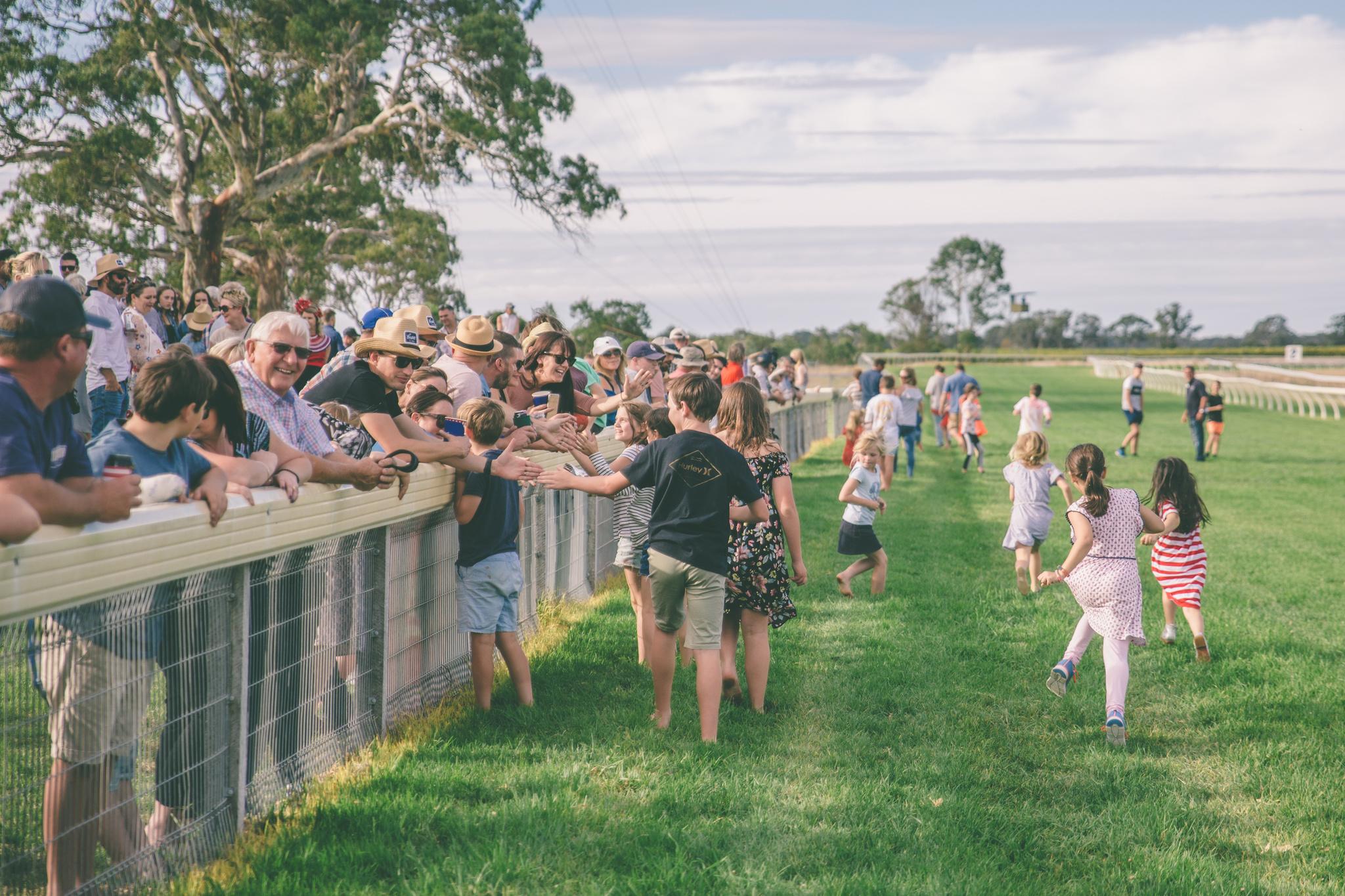
An old photograph sits in a family album.
The image is slightly faded.
Several people are standing together outside a racecourse, dressed for the occasion. Someone has written a date on the back. A child appears near the edge of the photograph, too young to remember the day.
Years later, that child is an adult.
The photograph remains.
So does the tradition.
For many sports fans, the connection to racing is not only about horses. It is about places.
Certain racecourses become part of family history.
Sporting places become personal
Fans often develop strong attachments to venues.
Football supporters identify with stadiums.
Cricket supporters remember historic grounds.
Tennis fans recognize championship arenas.
Horse racing has the racecourse.
A venue can become emotionally significant through repetition.
The same family visits year after year.
A group of friends returns for the same event.
A particular meeting becomes part of an annual routine.
Eventually, the venue exists in memory as much as geography.
The architecture carries stories
Racecourses also have a distinctive visual character.
Grandstands, paddocks, rails, entrances and old buildings can become recognizable landmarks.
Even when a person does not remember a particular race, they may remember where they stood.
This is why racing photography can be so important.
It preserves not only competitors but environments.
A photograph from decades ago can show what the venue looked like at a particular time.
Places create continuity between generations
One of the most powerful features of sports tradition is repetition.
A parent takes a child to the same venue.
Years later, the child takes their own family.
The physical place becomes a bridge between generations.
A racecourse can therefore carry memories that are much older than any individual race.
The result is a form of cultural continuity.
Local racing has its own identity
Major international events receive enormous attention, but local racing can carry a different kind of importance.
Regional race meetings may be deeply connected to surrounding communities.
Local businesses support them.
Families attend.
Bookmakers take bets.
Local journalists cover them.
Participants may have long-standing relationships with the venue.
An anecdote about a community attending the same meeting for decades can reveal the social role of the racecourse far better than a race result can.
The racecourse as a community meeting place
Sports venues often function as social spaces.
People meet there even when they do not know everyone present.
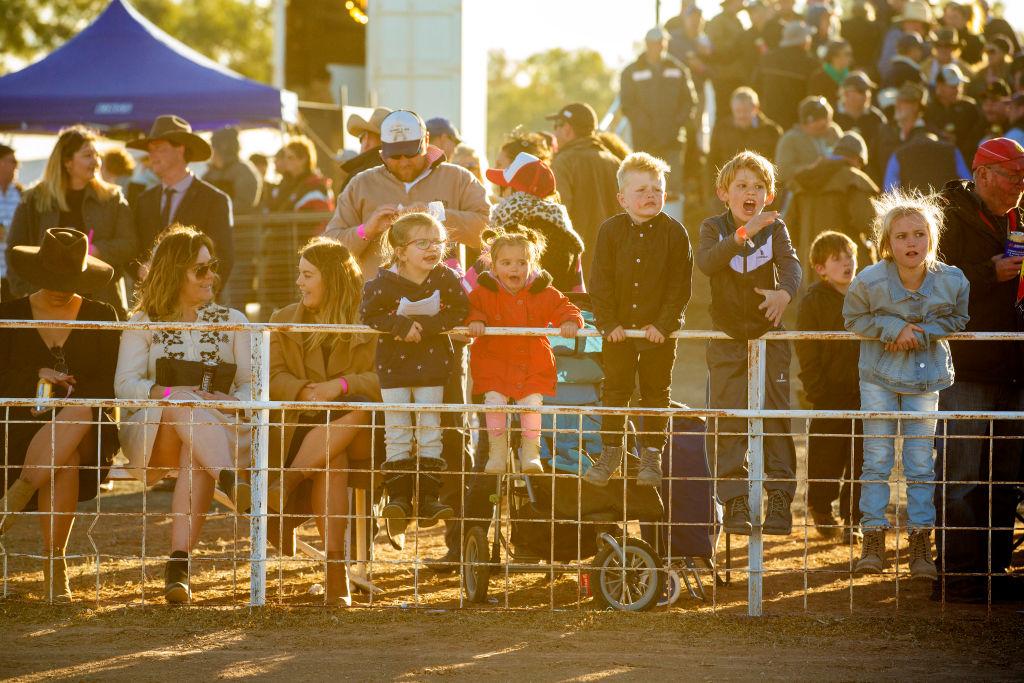
They share routines and familiar faces.
At smaller racing venues, these relationships can become particularly noticeable.
Regular spectators know one another.
Local stories circulate.
Long-term attendance creates familiarity.
The racecourse becomes part sporting venue, part community gathering place.
Journalists can preserve local memories
Local newspapers have an important role here.
A reporter can document the people who attend, the businesses that support the event and the traditions that surround it.
These stories may seem small when first published.
Years later, they can become valuable historical documents.
A local racing article can tell future readers what a community looked like at a particular moment in time.
The emotional power of returning
There is something unique about returning to a familiar sporting venue after many years.
The buildings may have changed.
The crowd may be different.
The sport itself may have evolved.
Yet certain elements remain recognizable.
That mixture of change and continuity can create powerful nostalgia.
An anecdote about someone returning to a racecourse after twenty years can open a larger discussion about how racing venues evolve while preserving tradition.
Beyond nostalgia
The value of place is not purely sentimental.
Racecourses are part of the infrastructure of the racing industry.
They affect accessibility, atmosphere, community relationships and the presentation of the sport.
The history of a venue can influence how it is perceived.
The place becomes part of the brand of the event.
Memory attaches itself to physical space
Sports fans often say, “I remember where I was.”
That phrase reveals how closely memory and place are connected.
In horse racing, the place may be a specific racecourse, grandstand or section of the crowd.
The physical environment helps preserve the memory of the competition.
Why racecourses deserve their own stories
If racing journalism focuses only on horses, it misses an important part of the sport.
The venues matter.
They hold the audience.
They host the traditions.
They create the atmosphere.
They provide the physical setting in which sporting memories are made.
Sometimes the best racing story begins not with a horse, but with an old photograph of a family standing together outside a racecourse.
That image can tell us why people keep coming back.